Our Sustainability Journey

At SIAEC, we are committed to working towards a sustainable future.

SIAEC aims to grow sustainably and responsibly, mitigate the environmental impact of our business and contribute to the communities that SIAEC operates in.

SIAEC's Sustainability Framework

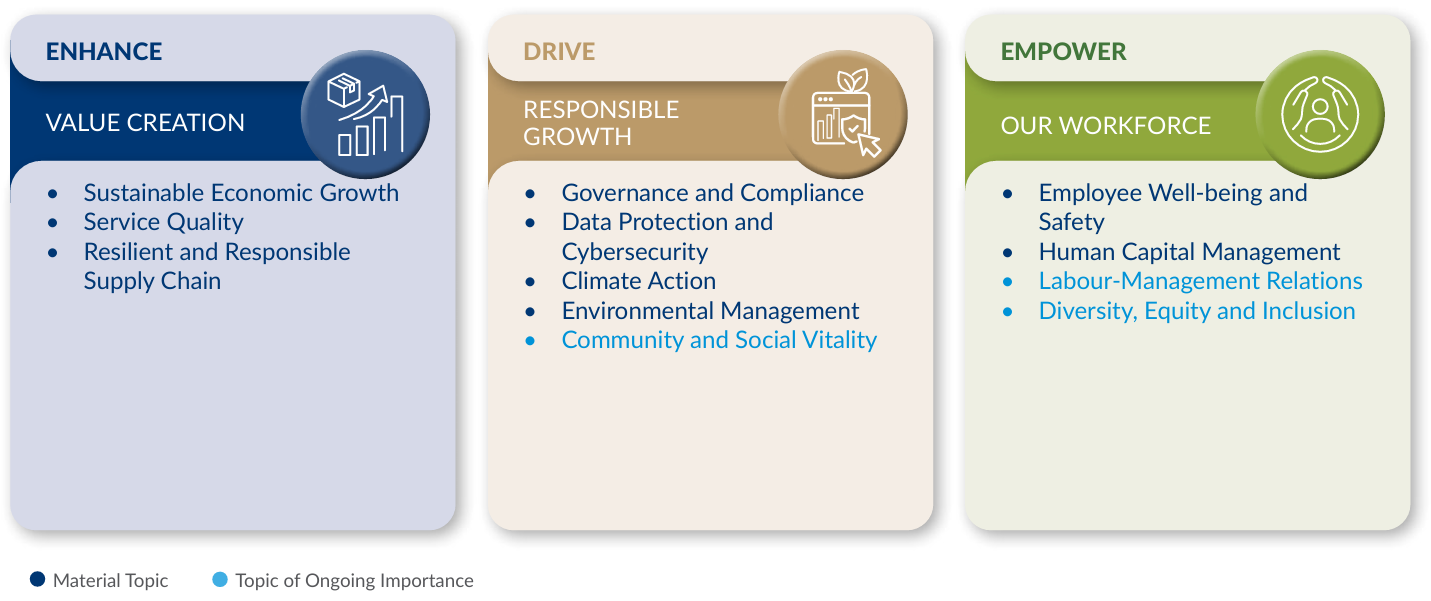
The Sustainability Framework outlines SIAEC’s approach in management of our sustainability topics under four key pillars, which are aligned to the six capitals (financial, manufactured, intellectual, human, natural, and social and relationship capitals) defined by the International Integrated Reporting Council, and are in support of the 13 United Nations Sustainable Development Goals (UN SDGs).

Key Pillars

SDG_Pillar
Sustainability Key Pillars

13 UN SDGs

View All

SDG_Pillar1

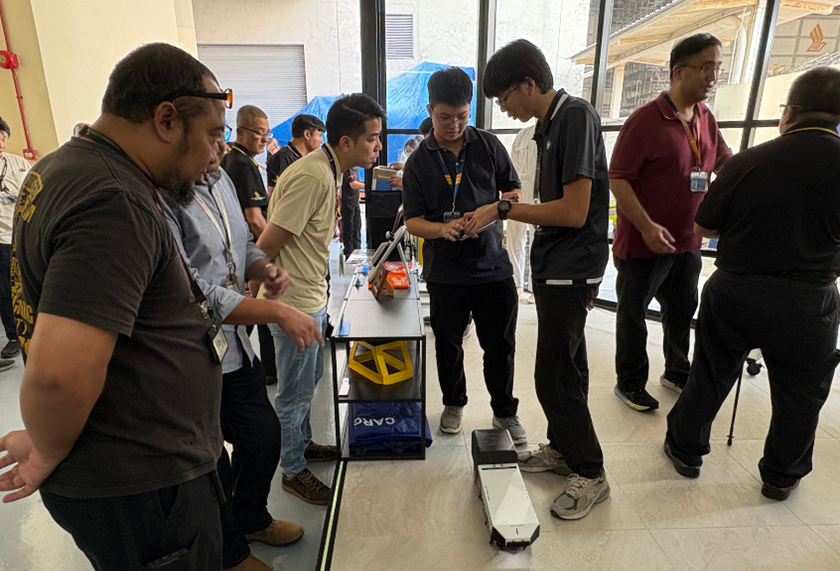
Exploring emerging technology and adopting innovative solutions

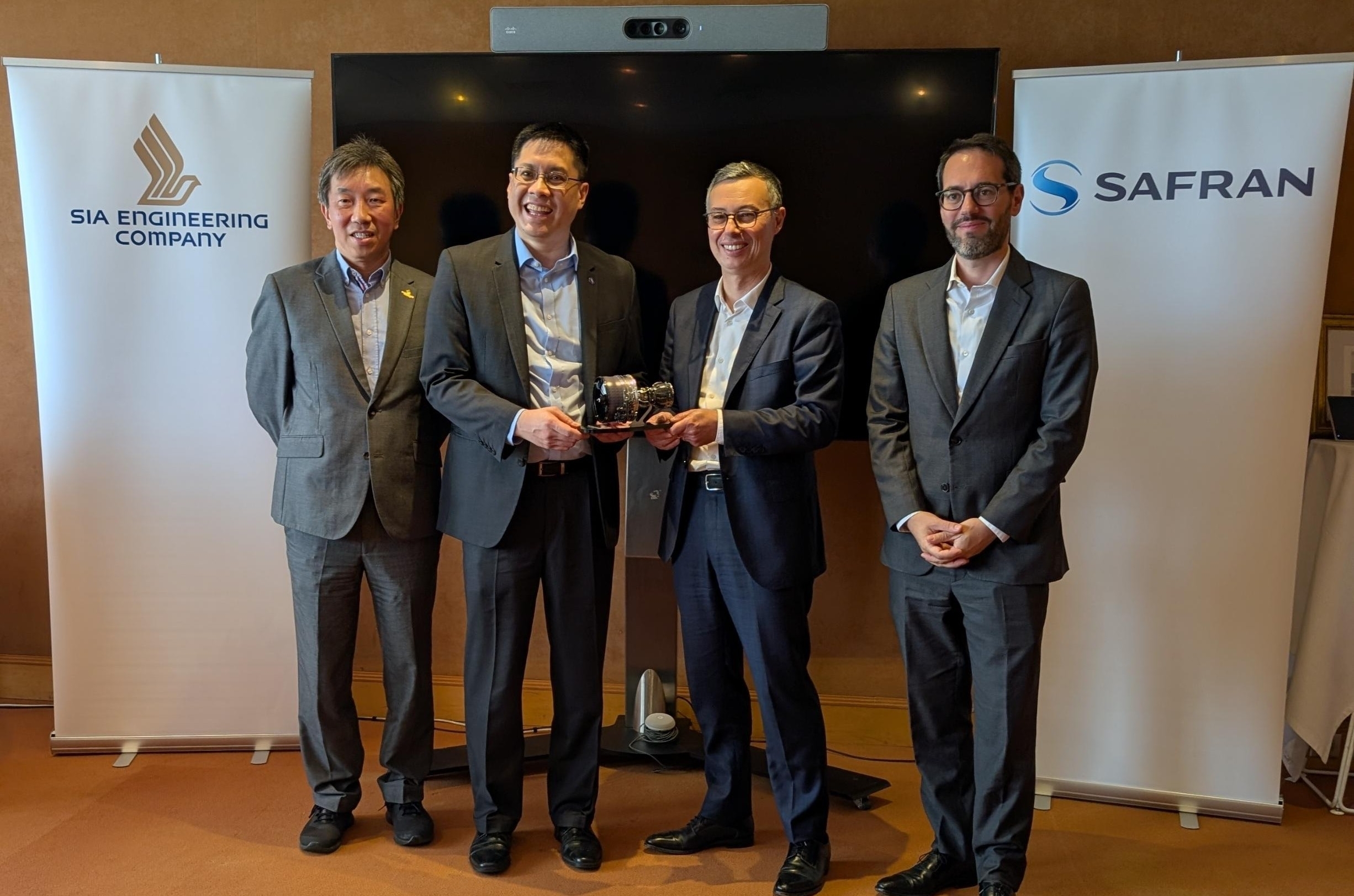
SIAEC Safran JV

Forming JVs and partnerships with OEMs and strategic partners

SDG_Pillar3

Broadening service offerings through expanding capabilities

Sustainability Topics

2030 Goals

Sustainable Economic Growth

Continue to generate and distribute sustainable economic value to our shareholders and stakeholders, while ensuring long-term value creation


Continue to expand our capabilities and geographical footprint to better serve customers' needs


Continue to develop innovative solutions to aid employees in enhancing safety and efficiency, meet customers' changing needs and stay at the forefront of the industry

Service Quality

No major findings from audits by aviation authorities

Resilient and Responsible Supply Chain

Strong collaboration with key suppliers who support our sustainability ambitions, to work towards a sustainable supply chain

Sustainability Topics

2030 Goals

Governance and Compliance

No material non-compliance with applicable laws and regulations

Data Protection and Cybersecurity

No major incidents of cybersecurity and data breaches

Climate Action

Halve Scope 1 and 2 Emissions (against FY19/20 baseline) and towards net-zero emissions by 2050

Environmental Management

15% reduction in water intensity (against average intensity from FY2017/18 to FY2019/20)

No non-compliance with regulations on effluents management


30% recycling rate


No major incidents of non-compliance with environmental regulations

Community and Social Vitality

Continue to support underprivileged and raise awareness on environmental sustainability

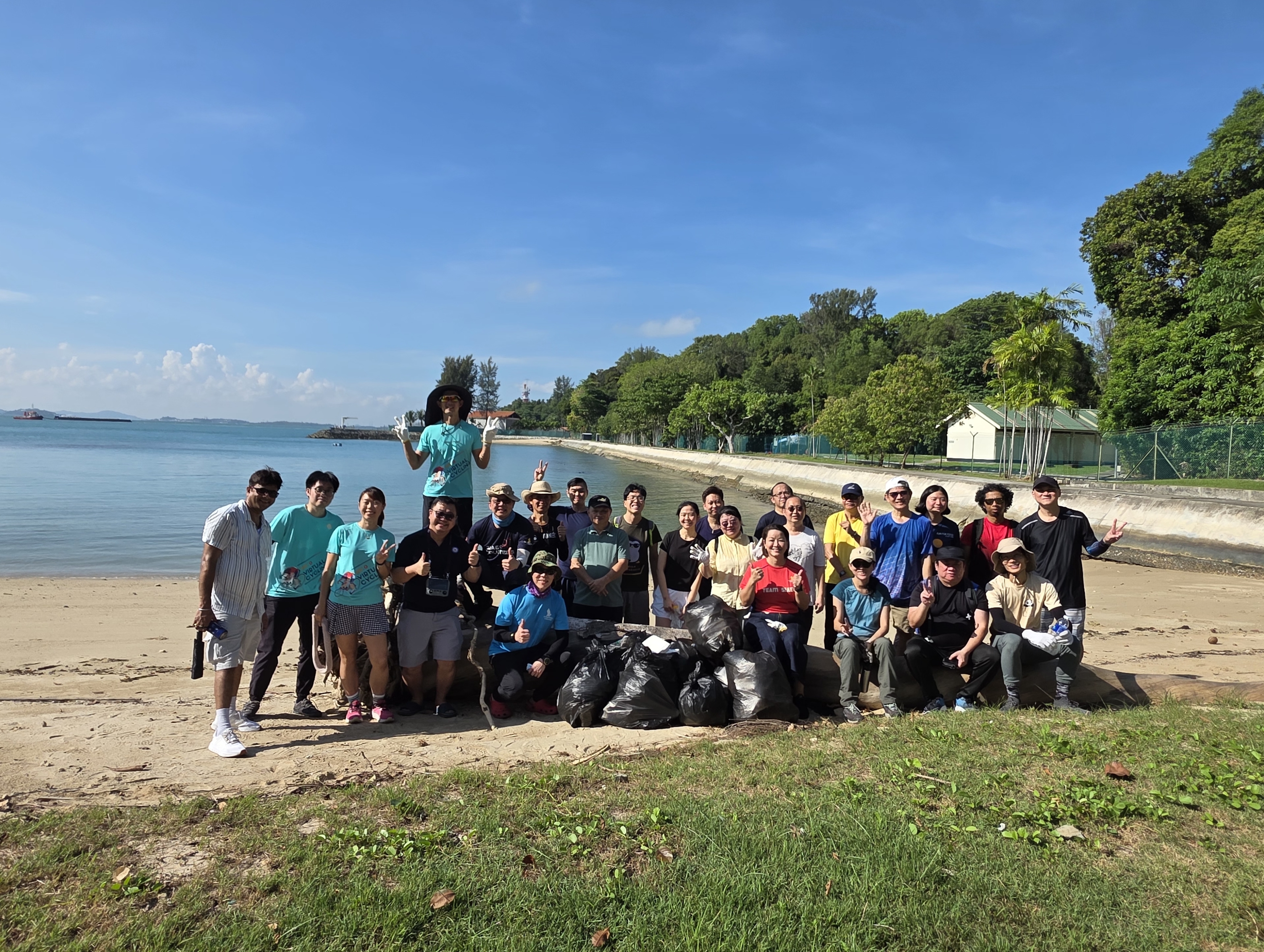
Beach Clean-up

Staff participating in beach cleanup

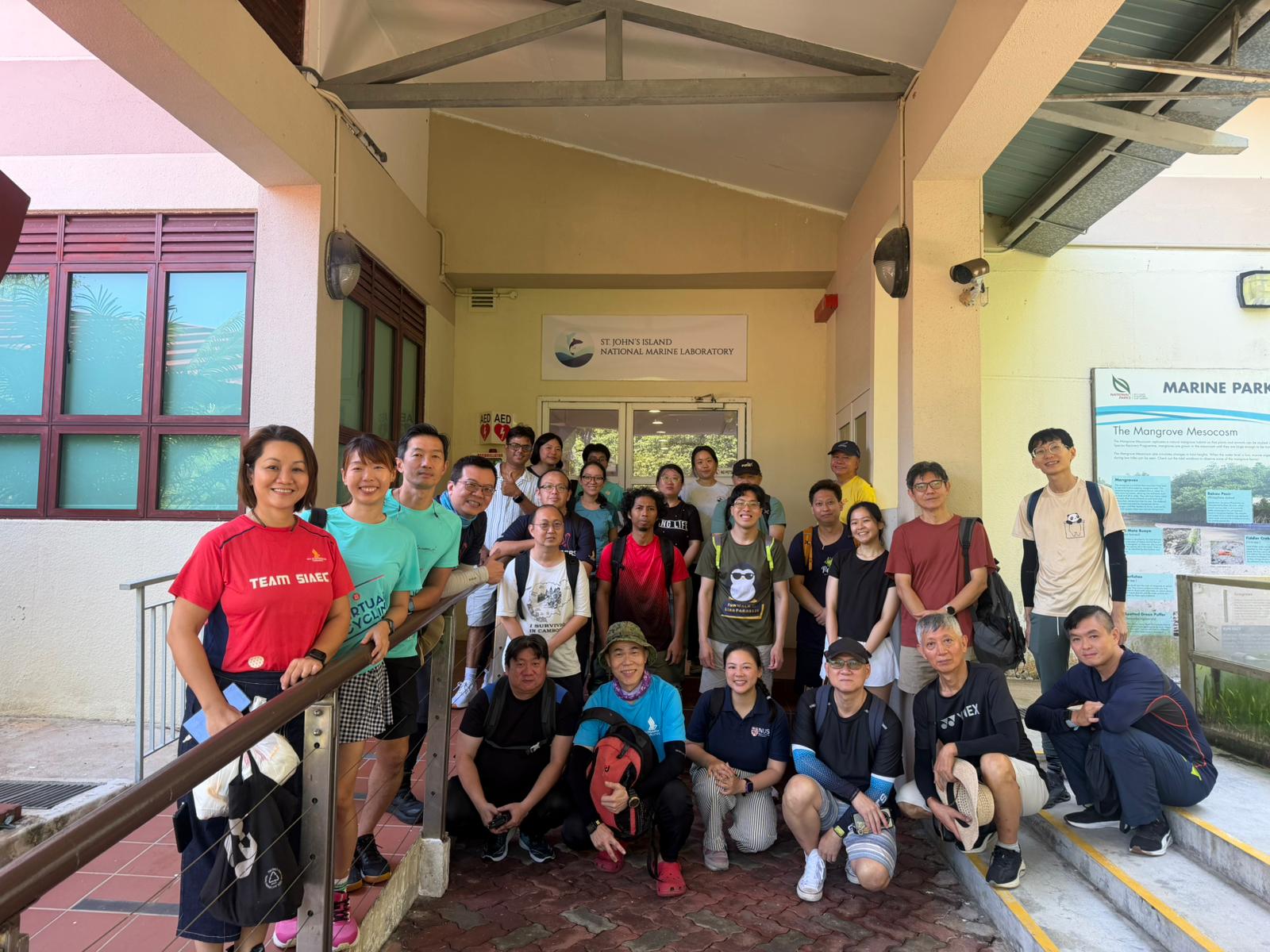
Biodiversity and Microplastics

Learning journey to St John’s National Marine Laboratory to learn about biodiversity in Singapore and the impact of microplastics

Sustainability Topics

2030 Goals

Employee Well-being and Safety

No work-related fatalities

Continue to promote employee health, safety and well-being as ongoing priorities for the Company through regular engagement and activities

Human Capital Management

Grow capabilities and continuous improvement culture for sustainable business growth

Develop people strategy centred on personal development, talent management, employee well-being and engagement

Maintain average of 34 training hours per employee

Diversity, Equity and Inclusion

No incidences of discrimination

Continue to promote diversity and equal opportunity in the workplace

30% female board representation

Labour-Management Relations

Maintain harmonious industrial relations through collaborative partnerships

SDG_Pillar2_img1

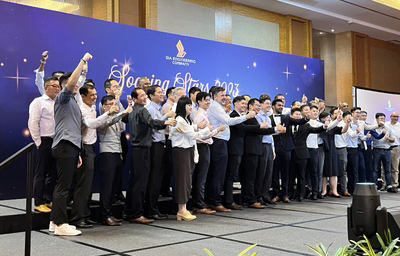
STAR Award as recognition for staff

SDG_Pillar2_img2

Training programmes and development schemes to support employees